Lecture 1 – introduction to interactive design
– Interaction and interactive design from a broad perspective
– Button, links, form fields etc are a part of interaction design
– Graphic designers should be able to perform basic interaction design for clients
– Key questions of designing interaction for users: how to you do, feel and know
– Perception on screen and not are vastly different from each other.
– Interaction design: “designing interactive products to support people in their everyday and working lives” – sharp, Rogers and Preece
”the design of spaces for human communication and interaction” – winograd


Interactivity
How we think of the word
– Of or relating to a program that respond to user activity (computer science)
– Working together so the total effect is greater than the sum (2 or more)
– Capable of acting on or influencing each other
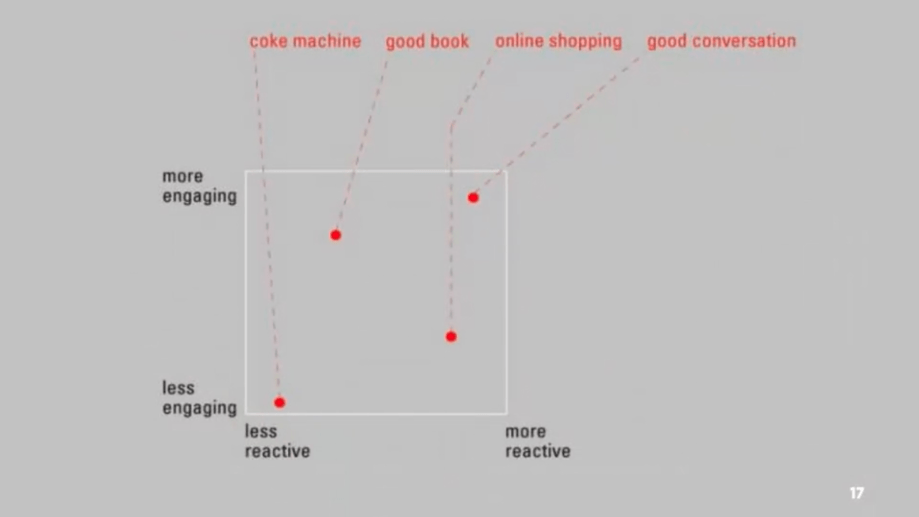
– Interactions can be vastly different from reading books, using vending machines and having conversations
– Diagram 3 – maps 4 different interactions with their ability to interact to us
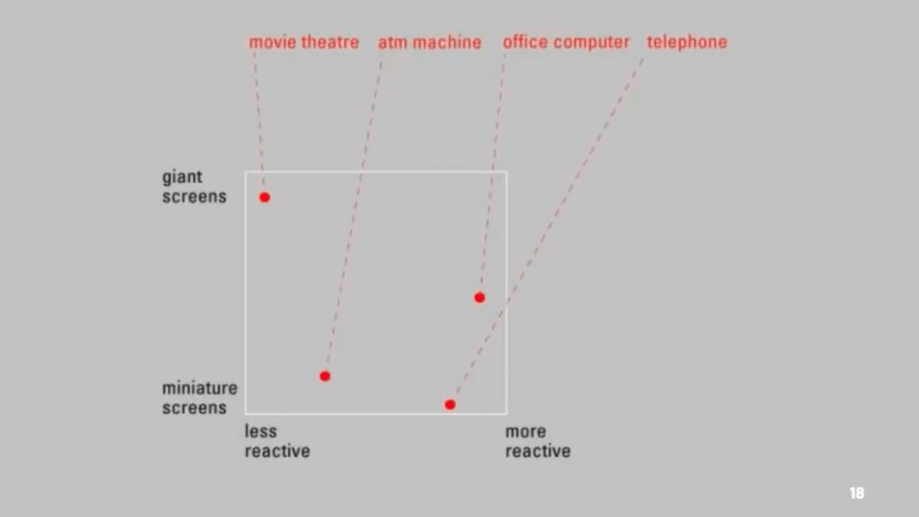
– Diagram 4 – different interactions and how screen size effects their ability to interact with us
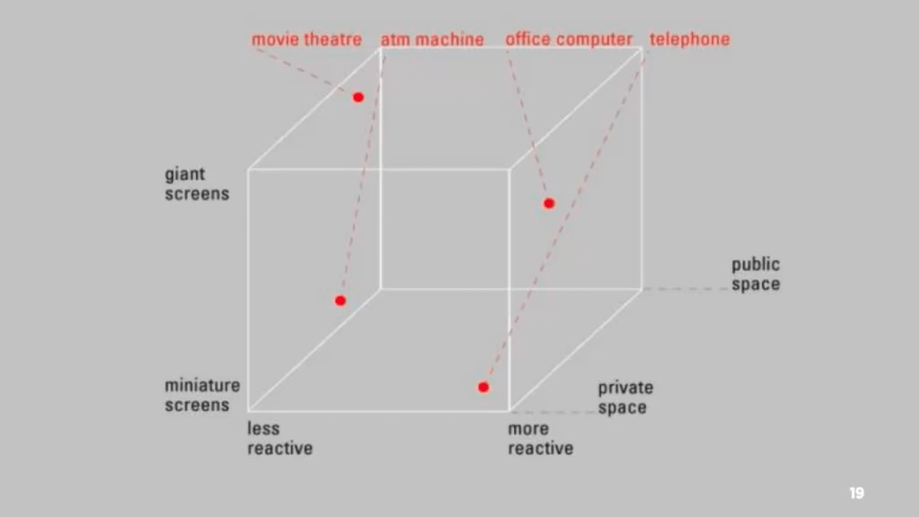
– Diagram 5 – adding public and private space to the previous diagram
– Many movies create amazing passive experiences but have little to no interactivity, whereas things such as stories or games allows for interactivity when the player progresses
– Diagram 6 – experience design
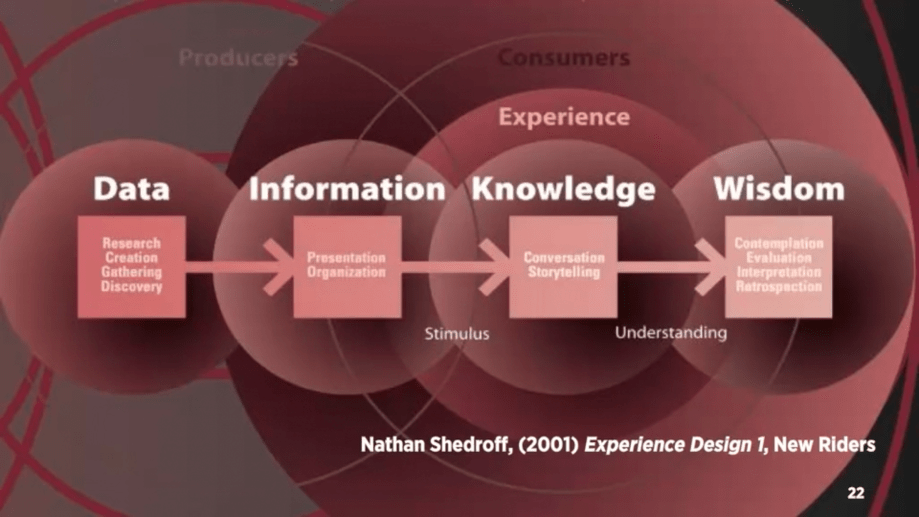
– Data becomes meaningful information when it is organised and presented
– Must first understand your audience, what their needs and expectations are before you are able to create meaningful experiences
– Interactive media is not about information, it’s about experience. But to create these experiences we need to understand the information and structure.
– Five key design areas of interaction design: interactivity, information architecture, time and motion, narrative, interface
 JDF Information Design & Notes